If you are planning to spend a holiday in Tarragona or in the Vall Ferrera, you will quickly discover that the sea and the mountains share surprising connections. The Costa Daurada and the Pyrenees have always been linked by a network of paths and river corridors that shaped Catalonia.
This historical bond is perfectly reflected in the Castellarnau lineage. Leading this commercial, patrimonial, and family enterprise was Carles de Castellarnau i Castellarnau, known as Ramonet—a man who knew how to turn iron into an economic driver along the Mediterranean coast.
Thanks to his trade and expertise in the extraction, processing, and marketing of iron, Carles de Castellarnau established commercial alliances and acquired real estate properties as safe-haven assets—functioning much like a modern holding company, real estate investment trust, or ETF fund—expanding his influence to become one of the most powerful figures of the 18th century in Catalonia.
Today, this rich legacy has been transformed into a cultural itinerary that we invite you to explore at your own pace, following the footsteps of this family from the iron forges of the Vall Ferrera to their residential palace in Tarragona.
Who was Carles de Castellarnau
Carles de Castellarnau i de Castellarnau, affectionately known within his family circle as Ramonet, was the heir to the main branch of this Pallars lineage in Alins, located in the Vall Ferrera
A man of great practical vision, his life was closely tied to iron production—a craft he modernized and expanded far beyond the Pyrenees.
Under his leadership, the Castellarnau family boosted the iron production capacity of the Pyrenees while managing vast tracts of land, forests, and mines to secure the charcoal supply, despite ongoing legal disputes.
Beyond the traditional Catalan forge, his boldness led him to control the transport and trade of the metal by opening river and trade routes that directly connected the mountains to the key coastal ports.
His permanent move to Tarragona was sealed by his marriage to Maria Magrinyà i Porta, daughter of a prominent local merchant. This union allowed him to root himself in the city and begin acquiring prime urban real estate.
Carles de Castellarnau thus embodies the figure of a visionary entrepreneur who, starting from the Pyrenean forges, became one of the pioneers of industrialization in Catalonia.
The nobility of the Castellarnau family
The Castellarnau family belonged to the privileged Catalan nobility, a class made up of nobles, knights, squires, and honored citizens. Their origins date back to Arnau Dacó, lord of castrum Arnaldi.
Historically linked to the counts and viscounts of Pallars, they served as castellans of Araós and formed part of the military estate during the Catalan Courts.
Recognized as gentlemen since the 14th century and as knights since the 15th century, Carles de Castellarnau himself defended this status in a manifesto, noting that as early as 1380, the family held the title of squire (doncel).
This status and the entitlement to military privileges were solidified through various royal privileges granted to different branches of the lineage:
🏰 The privilege of Noble of the Principality granted to Francesc de Castellarnau (1614).
🎖️ The privileges awarded to the brothers Pere, Bernadí, and Miquel de Castellarnau, of the Coix branch.
📜 The nobility proceeding of Lleida (1626), where ten doctors of law officially declared the Castellarnau family as knights subject to military status.
👑 The privilege granted to Baltasar de Castellarnau, of the Guillemó branch, by Archduke Charles III (1707).
Although the Castellarnau of Tarragona retained their knight status, from the second half of the 18th century onward, family members began to focus heavily on their roles as landowners, merchants, and business leaders.
From Vall Ferrera to Tarragona
The expansion of the lineage outside the Pyrenees stemmed from a successional necessity. During the early decades of the 18th century, the dominance and complete control of Baltasar de Castellarnau—from the Guillemó branch—in the Vall Ferrera (reaffirmed by the royal privilege of 1707) forced other family members to carve out new paths and seek prosperity away from the mountains.
This relocation was finalized on November 14, 1748, with the marriage of Carles de Castellarnau and Maria Magrinyà i Porta, daughter of a prominent Tarragona merchant.
This strategic alliance allowed Ramonet to establish a foothold in the city and serve as the perfect bridge between Pyrenean iron production and the maritime trade networks of Catalonia.
From Tarragona, Carles de Castellarnau drove economic growth by directly overseeing the receipt, storage, and distribution of iron shipped to the Tarragona coast.
This business boom immediately translated into remarkable social advancement and the acquisition of high-value urban properties, making the family one of the most influential in Tarragona society at the time.
The Castellarnau concord
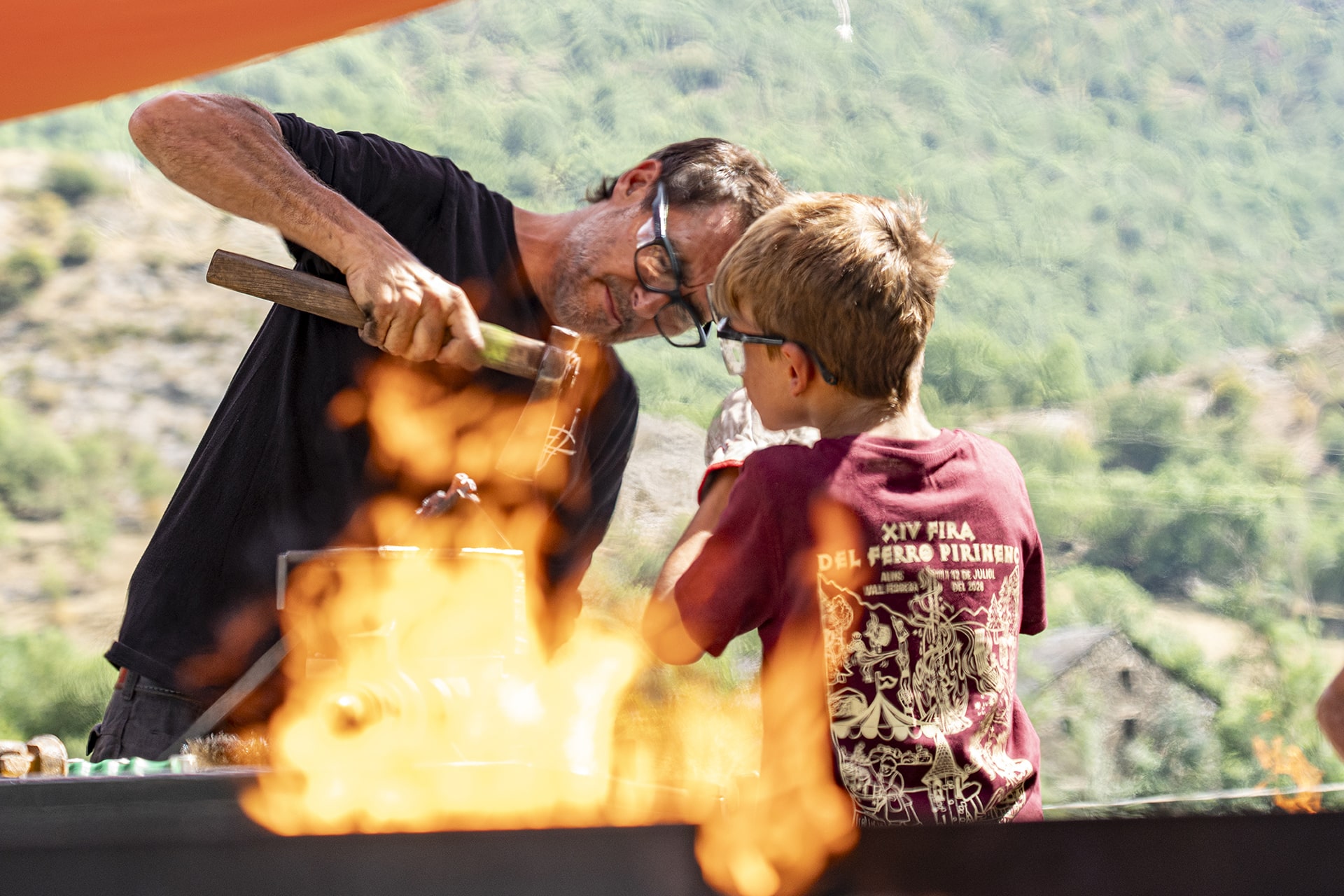
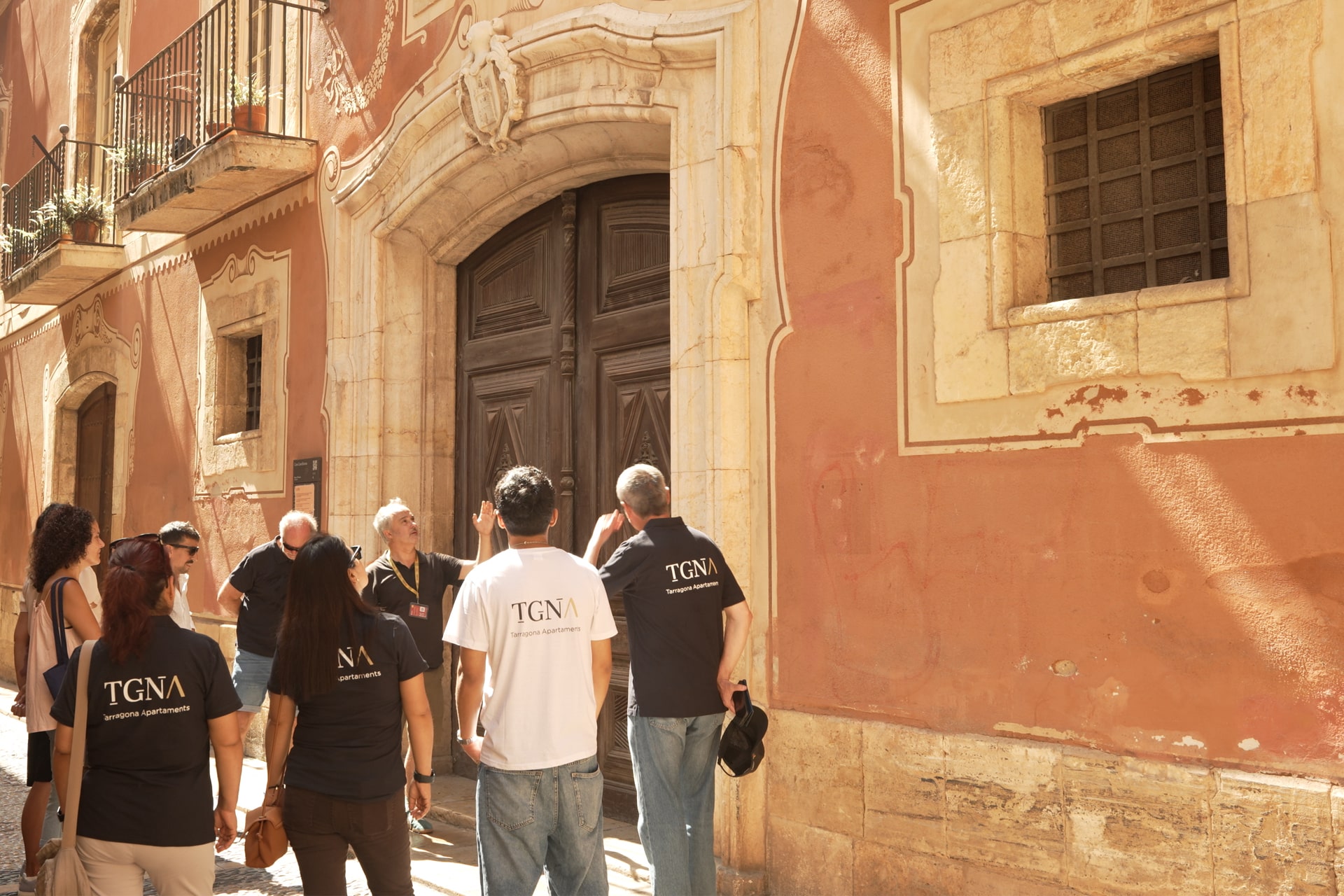
Ironworking in the mountains was heavily constrained by the demand for forest resources. Following the construction of the new Forge of Alins in 1756, Carles de Castellarnau took advantage of the local population’s financial needs to systematically buy up the logging rights to communal forests.
This loss of municipal control sparked a backlash among residents, who launched a collective legal lawsuit in 1761 to overturn the previous forestry agreements.
To counter this external opposition and safeguard their assets, Casa Coix and Casa Ramonet signed a definitive concord on April 12, 1766, to jointly and indivisibly manage the forges of Alins and Ainet, along with all the forests in the Vall Ferrera.
This agreement, alongside the will the entrepreneur drafted just days later on April 23, became his final act of testamentary planning before his passing on May 12, 1766, leaving a peaceful and secured legacy for his heirs.
The Castellarnau Route through the Vall Ferrera
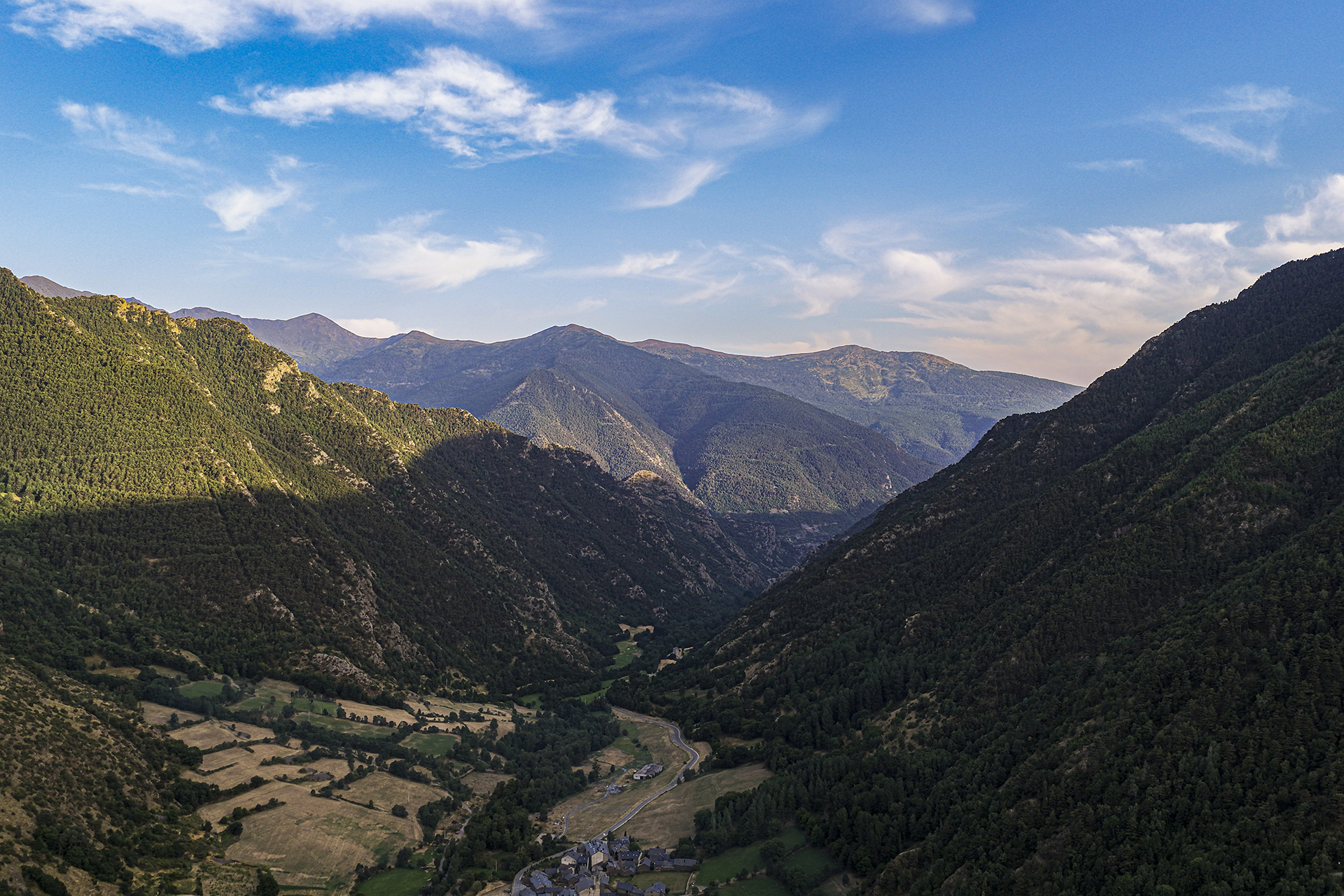
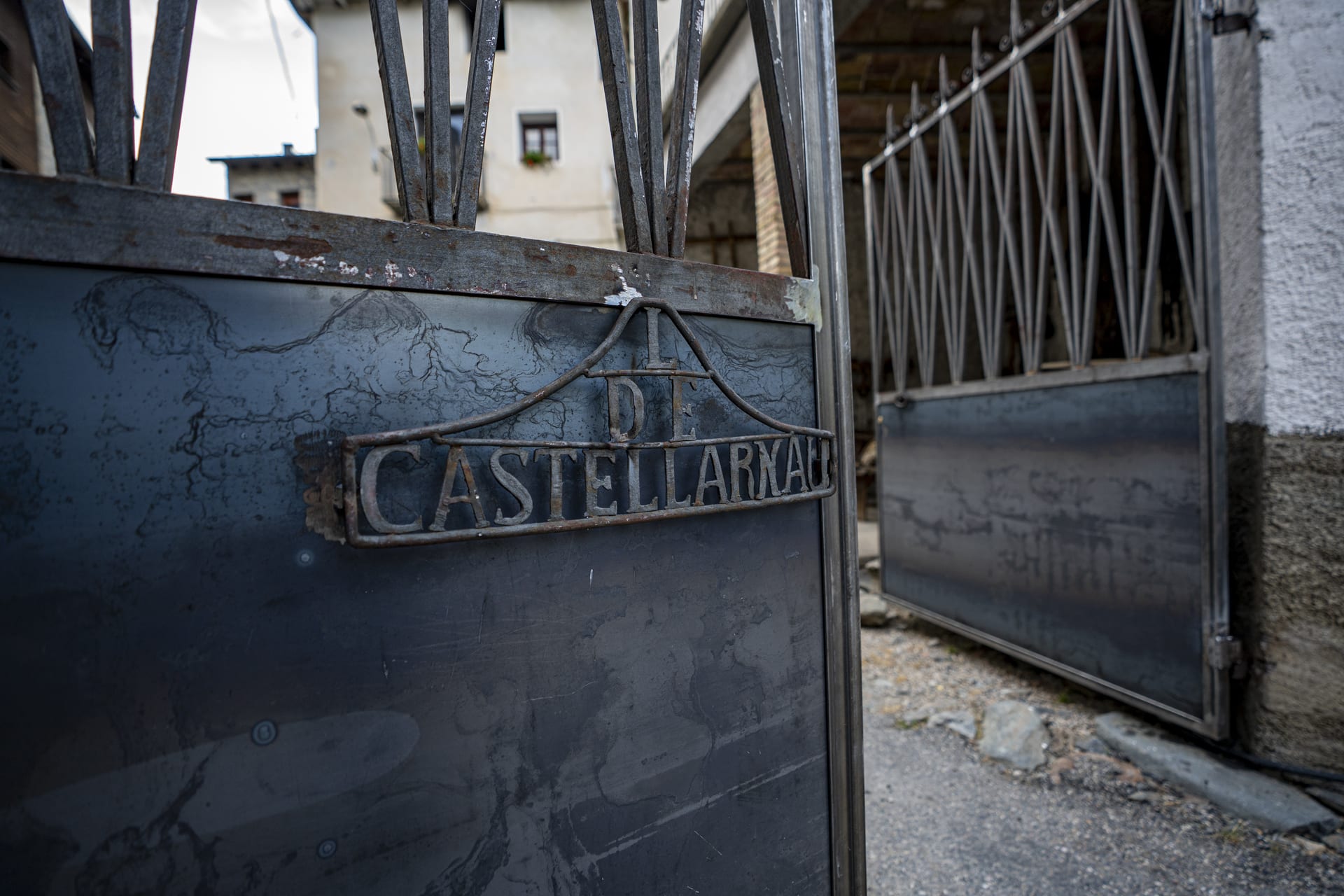
Exploring the connection between the Castellarnau family and the Vall Ferrera today means tracing the landscape that shaped their iron industry. The itinerary starts in Alins, the main town in the valley, which was home to key facilities such as the Forge Demonstration Center, Casa Sintet, and the Torre de les Bruixes.
From this point, natural trails lead through the wooded areas of this Pallars Sobirà valley where timber was harvested and charcoal was produced, showing on the ground the full extent of the business operations managed by Casa Coix and Casa Ramonet.
🏔️⛓️💥 Vall Ferrera Route on Google Maps
Would you like to follow in the footsteps of Carles de Castellarnau through the Pallars Sobirà? We have put together a Vall Ferrera itinerary featuring highlighted points of interest so you can explore his legacy across villages, forests, mines, and Pyrenean peaks at your own pace.
The Castellarnau Route through Tarragona
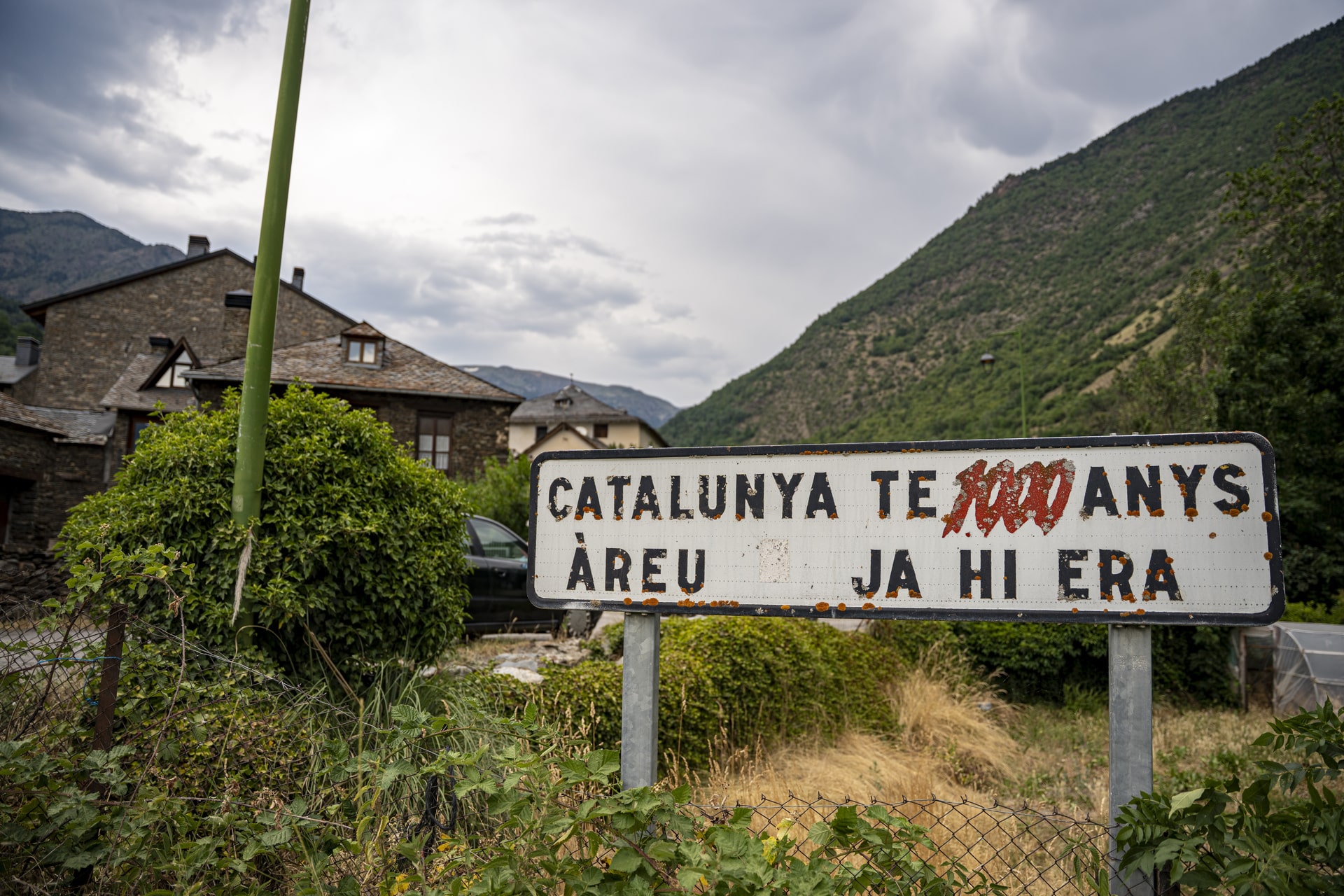
The urban route through Tarragona traces the family’s deep roots and growing influence in the city where Carles de Castellarnau settled following his marriage in 1748.
The tour begins in the Part Alta (Old Town), home to grand manorial residences and real estate like the Casa Castellarnau, acquired as the family joined the local nobility and governing classes.
From this historic core, the path descends toward the Port of Tarragona and the maritime commercial districts—strategic points where iron from the Pyrenean forges was received, stored, and shipped to markets across the Mediterranean.
🏛️🚢 Follow the Tarragona Route on Google Maps
Trace the legacy of the Castellarnau family through Tarragona at your own pace. We have designed a patrimonial, commercial, and industrial route featuring the key sites of this influential Catalan iron dynasty.
Holidays in Tarragona and the Vall Ferrera
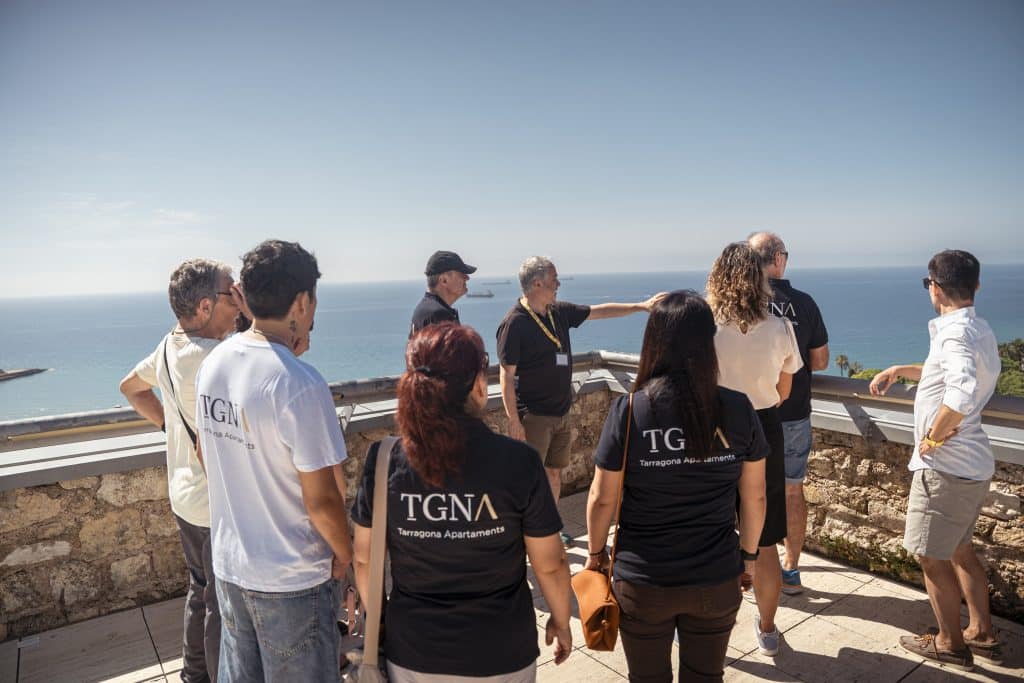
The historical connection between the Castellarnau family and these two regions invites mutual discovery—designed so that visitors from Tarragona can experience the high mountains and, conversely, residents of the Vall Ferrera can enjoy the Tarragona coast.
For travelers coming from the Pyrenees, Tarragona offers the contrast of seaside beaches alongside a journey through its Roman, medieval, and modern heritage—a golden era of growth where the family left a lasting architectural imprint.
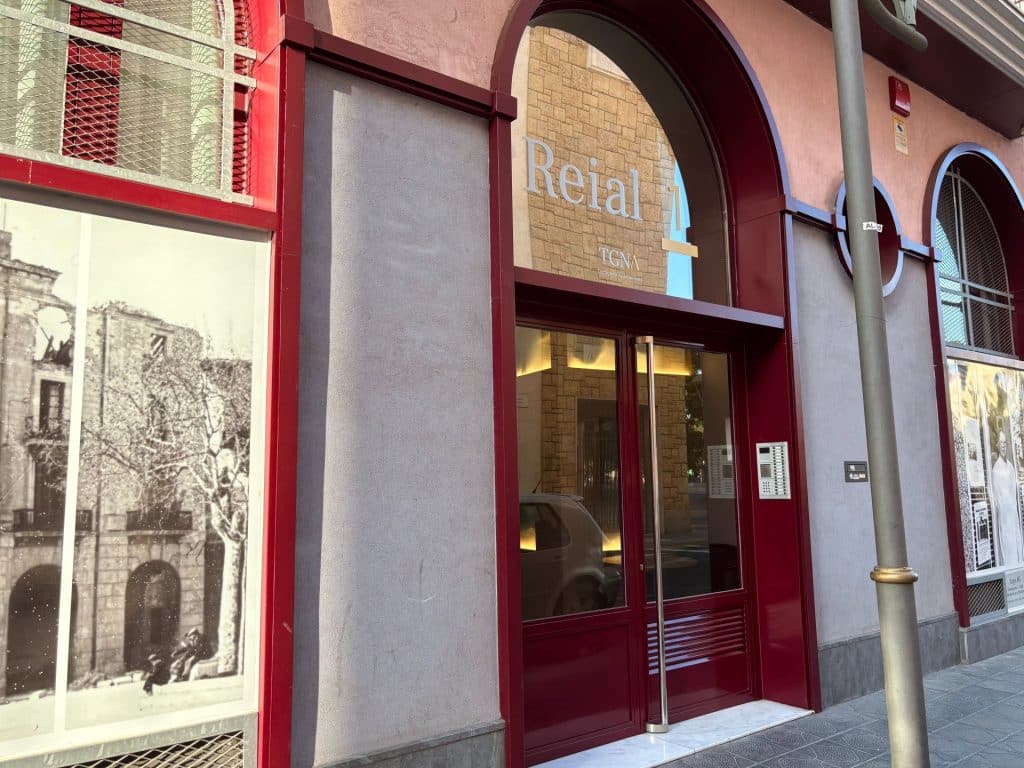
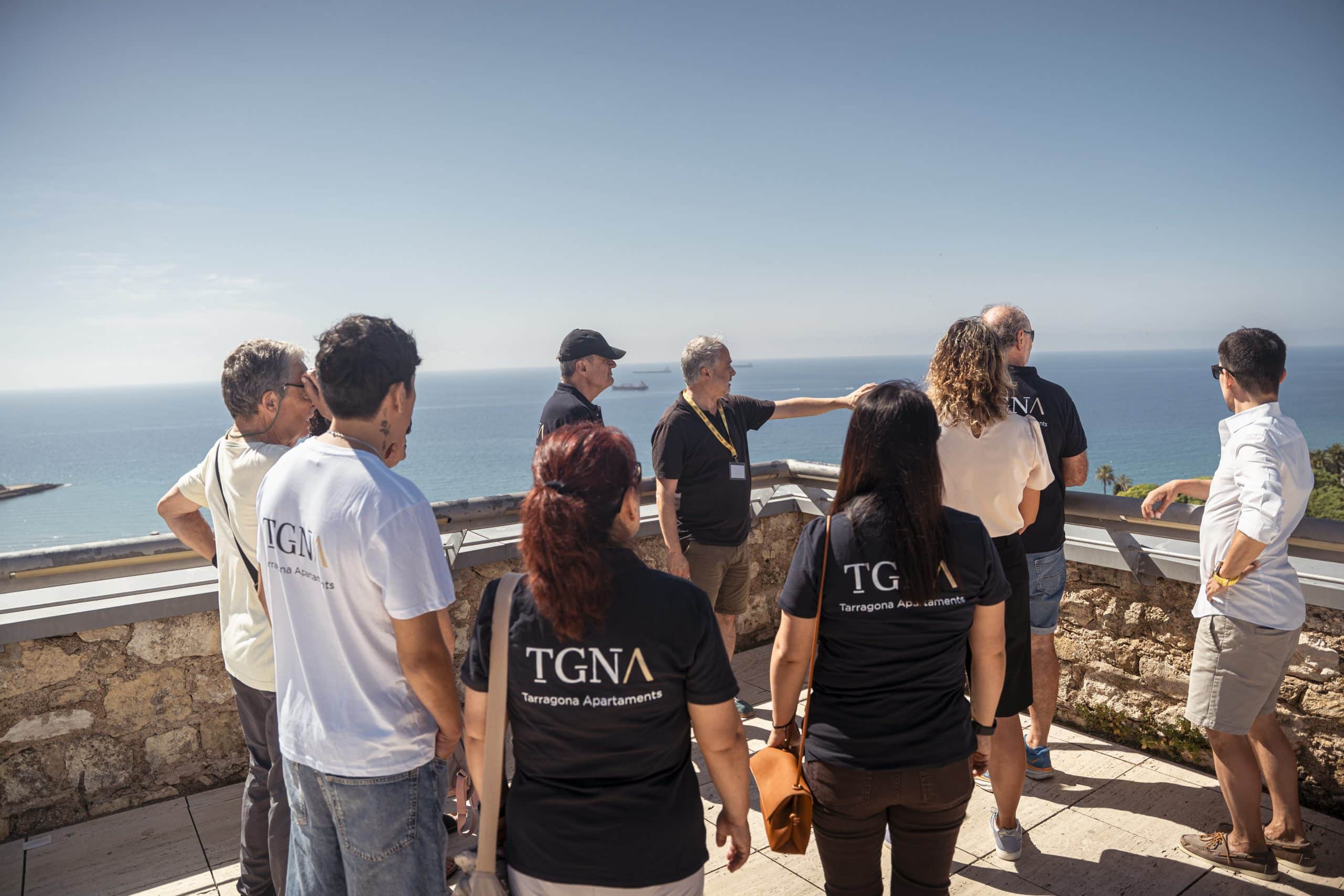
To enjoy this experience in complete comfort, staying in the apartment buildings of TGNA Tarragona Apartaments offers an ideal base to explore the city on foot.
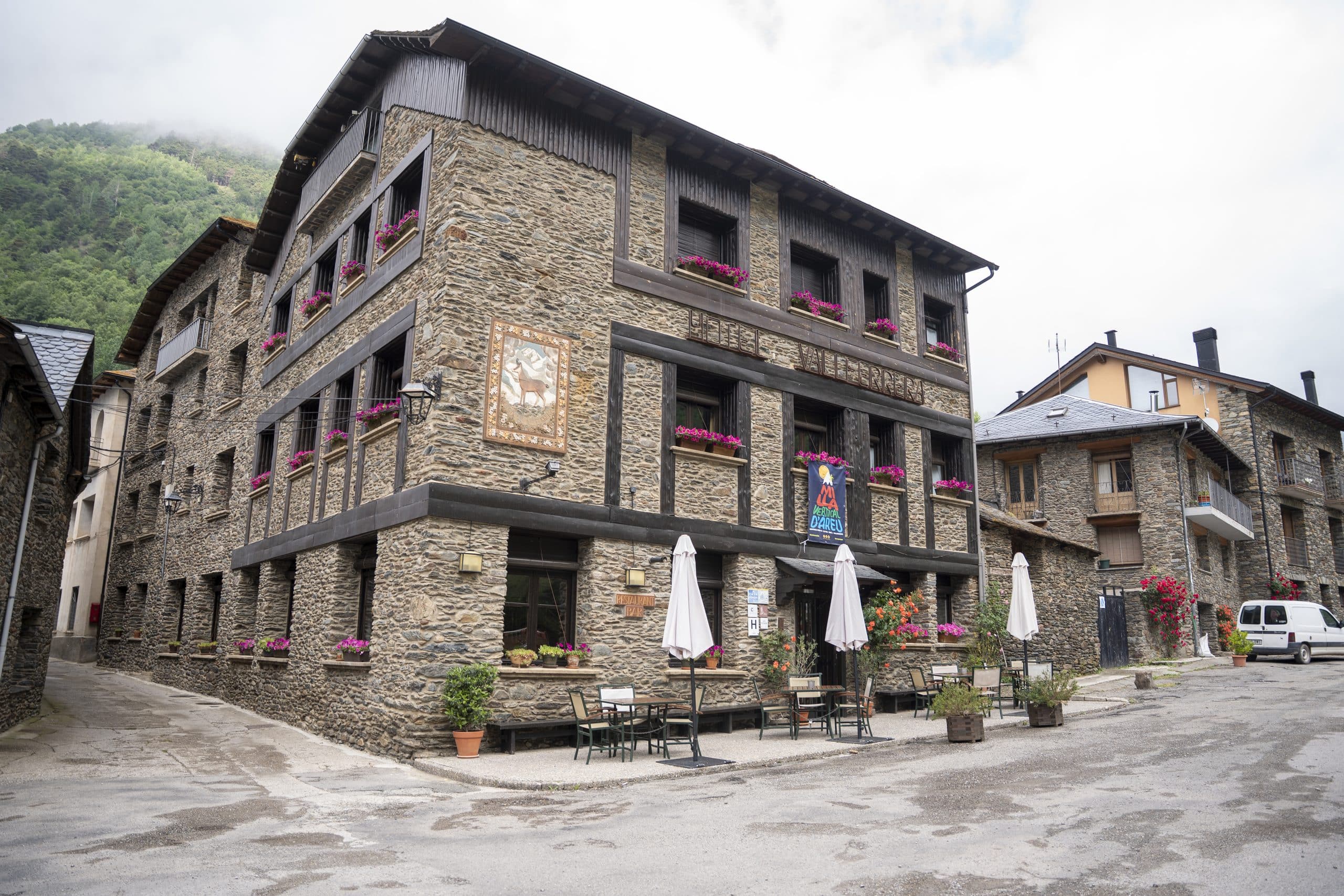
Conversely, for travelers heading up to the Vall Ferrera from Tarragona, the trip unlocks the doors to the Alt Pirineu Natural Park, where you can explore historic sites and the famous iron route.
Finally, your stay is rounded out by sampling local gastronomy—including artisanal cured meats and cheeses, a hot herbal infusion from Herbes de l’Alt Pirineu—or enjoying mountain hospitality at any of the valley’s hotels, rural guesthouses, campsites, apartments, or traditional bordes.